For cats
Indoor cat,
outdoor nutrients.
The grass a hunting cat would have swallowed with its dinner — milled into a powder small enough to hide in a spoonful of wet food.
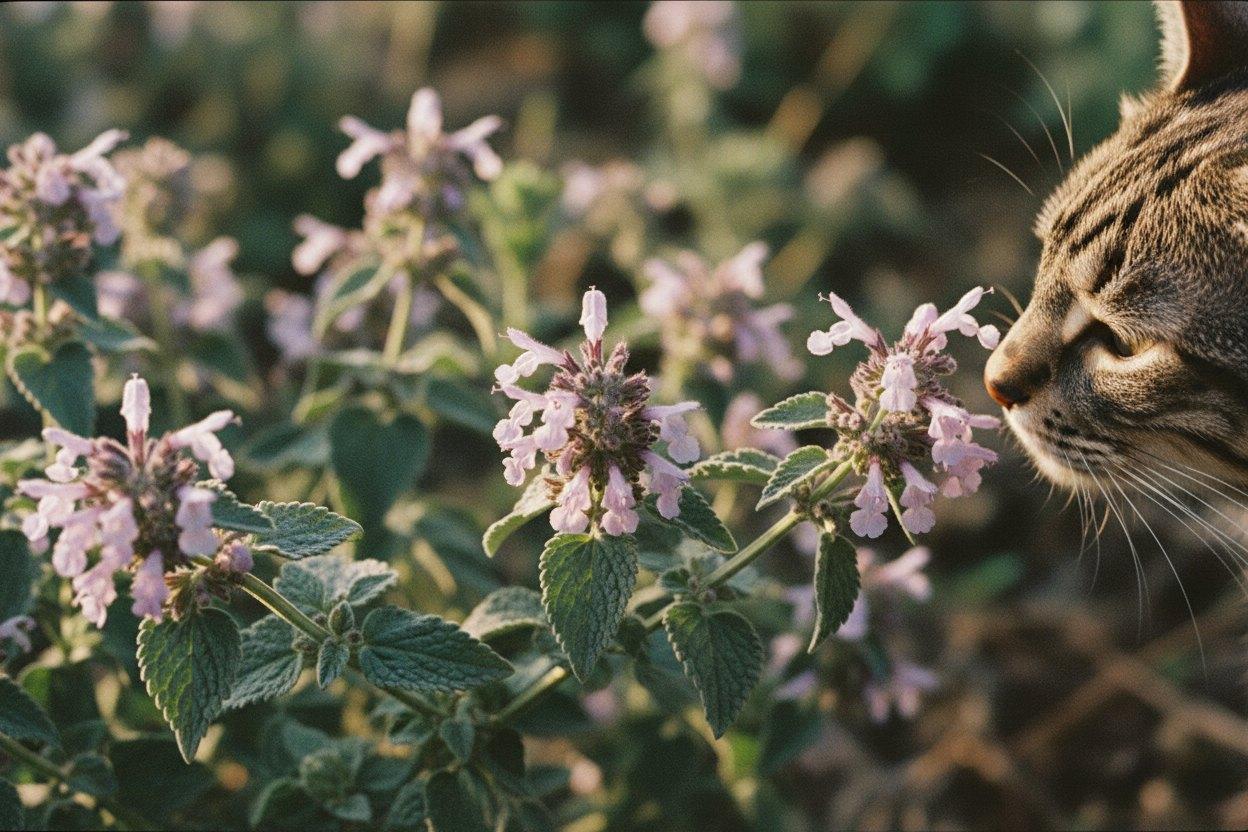
A domestic cat is still built for prey. The mouse it would have eaten comes with a stomach full of grass — partially digested, full of chlorophyll and the enzymes that come with living plant tissue. That is a route to nutrients that a bowl of kibble does not offer at all.
Indoor cats compensate the only way they can: by chewing the spider plant, the palm, the Christmas tree, or the carpet. It is not a behaviour problem. It is an appetite for something green that the house does not provide.
Pawgrass is that something, in a pouch. Four grasses chosen for a fine, soft blade, plus catmint — the herb cats already rub their faces in.
It arrives as a powder, not a pot. No windowsill, no watering, no soil on the floor.
For a cat specifically
Small dose, small spoon, no argument.
Cats are fussier than dogs about texture. The powder is milled fine enough to disappear into pâté, and the spoon is sized for a cat, not a Labrador.
In the pouch
Nano tall fescue · Kizzle tall fescue · Creeping red fescue · Wildhorse Kentucky bluegrass · Catmint
Full detail on why each one is there: the blend.
Waitlist
First pouches, first dose numbers.
One email when the first batch is ready. Nothing else unless you ask for it.
Pawgrass is a food supplement, not a medicine. It is not intended to diagnose, treat, cure or prevent any disease, and it is not a substitute for a complete diet or for veterinary care. If your cat is pregnant, nursing, on medication or unwell, ask your veterinarian before adding anything to their food.